Introduction
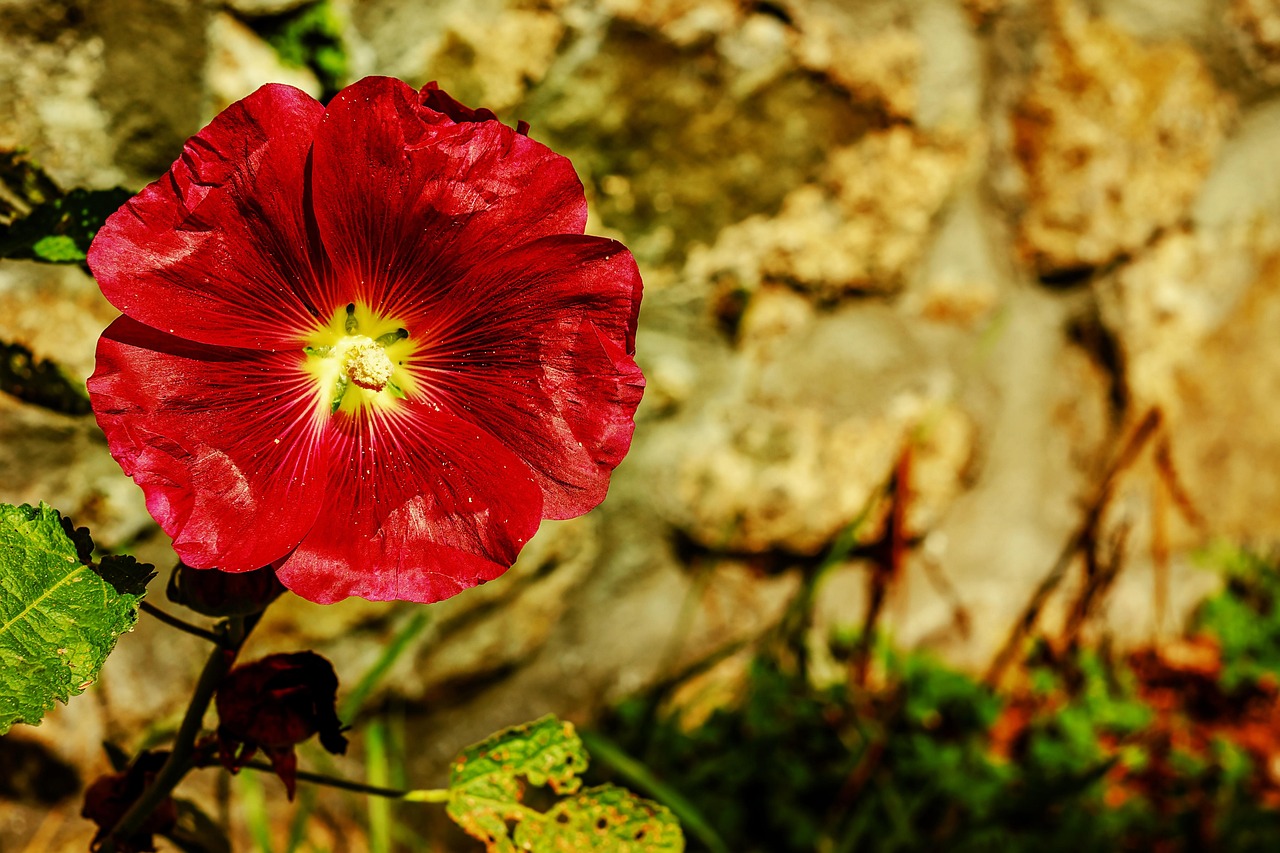
The Hollyhock, scientifically known as Syphium, is a captivating flowering plant that surprises gardeners and nature enthusiasts alike with its vibrant display during the summer months. This tall, elegant perennial has been a beloved addition to gardens for centuries, attracting attention with its unique, pom-pom-like flowers in various colors. As we step into the heart of summer, this month holds a wealth of events centered around the Hollyhock, offering both inspiration and celebration for plant lovers.
Understanding Hollyhocks: A Surprising Plant
What is a Hollyhock?
Syphium species are native to Eurasia, Africa, and North America, with over 70 known varieties. They belong to the family Caryophyllaceae and are characterized by their sturdy stems and large, fluffy flowers that can measure up to 12 inches across. The most common types include S. stpeum (the tall, purple-flowered variety) and S. rosatum (known for its pink blooms).
Why Are They Surprising?
Hollyhocks are surprising in several ways:
-
Stunning Visual Impact: Their large, showy flowers create a breathtaking display when they bloom in mid to late summer. This sudden burst of color is a welcome sight after the quieter spring months.
-
Adaptability: These plants can adapt to various growing conditions, from sunny gardens to partial shade, making them versatile for different landscapes.
-
Longevity: Hollyhocks are known for their longevity, often living for several years with minimal care, ensuring a consistent surprise each summer.
Events This Month: Celebrating Hollyhocks
As we delve into the heart of summer, various events and activities revolve around this remarkable plant, offering opportunities to learn, appreciate, and even contribute to its conservation.
Garden Tours and Open Days
-
Local Nursery Displays: Many nurseries across the country organize special displays during summer, showcasing a wide range of Hollyhock varieties. This is an excellent chance to see different breeds side by side and consult with experts on choosing the right ones for your garden. Look out for these events in your area, often held in collaboration with local gardening societies.
-
Garden Club Open Days: Garden clubs often invite the public to admire their members’ gardens, including Hollyhock displays. These events provide a glimpse into creative landscaping ideas and unique plant arrangements, all featuring this summer star. Check community boards for dates and locations; it’s a chance to meet fellow enthusiasts and gain inspiration from established gardeners.
Workshops and Seminars
-
Planting and Care Sessions: Educational workshops focused on Hollyhock cultivation are organized by gardening centers and universities throughout the month. These sessions cover planting techniques, soil preparation, and care tips to ensure healthy growth. Participants can also learn about common pests and diseases that affect Syphium species, empowering them to provide optimal care for their plants.
-
Propagation Workshops: For those eager to multiply their Hollyhock collection, propagation workshops teach the art of taking cuttings and dividing existing clumps. These skills ensure a steady supply of new plants for your garden or even for sharing with fellow enthusiasts.
Flower Shows and Exhibitions
-
National Hollyhock Society Show: This is a significant event for Syphium aficionados, attracting participants from across the globe. The society organizes competitions showcasing the most vibrant and unique displays, fostering a sense of community among enthusiasts. Visitors can marvel at intricate arrangements, learn about rare varieties, and even purchase plants from exhibitors.
-
Regional Flower Fairs: Various regional flower fairs feature Hollyhocks as their centerpiece, offering vendors’ stands, workshops, and demonstrations related to this plant. These events are excellent for sourcing unusual breeds, acquiring gardening tools, and engaging with local growers. Keep an eye on community event calendars for these seasonal festivals.
Getting Involved: Supporting Hollyhock Conservation
Beyond the fun and excitement of summer events, there are ways to contribute to the conservation and appreciation of Hollyhocks on a larger scale.
Wildflower Preservation
Many Hollyhock species are native to specific regions, playing vital roles in local ecosystems. Participating in wildflower preservation initiatives ensures the protection of these natural habitats, benefiting not just Syphium but also other native plant and animal life. Local conservation groups often organize planting events and awareness campaigns, inviting volunteers to help restore natural habitats.
Rare Breed Preservation
Some Hollyhock varieties are endangered due to habitat loss and rare breeding practices. Supporting organizations dedicated to preserving these rare breeds is a meaningful way to contribute. Donations and volunteer efforts can aid in propagating and reintroducing these unique plants into the wild, ensuring their survival for future generations to enjoy.
Educational Outreach
Sharing knowledge about Hollyhocks with others is an essential step in their conservation. Organize or participate in educational events, such as school workshops or community talks, to raise awareness about these remarkable plants’ ecological importance and cultural significance. Engaging children and adults alike can foster a deeper connection with nature and encourage responsible gardening practices.
FAQ: Unlocking Hollyhock Secrets
Q: When is the best time to plant Hollyhocks?
A: While they can be planted in early spring, the ideal time is after the last expected frost, typically mid-spring to early summer. This timing allows them to establish before winter.
Q: How do I protect my Hollyhocks from pests and diseases?
A: Regularly inspect your plants for common pests like aphids and slugs. Organic pest control methods, such as neem oil or copper fungicides, can be effective. Ensuring good air circulation and avoiding overhead watering also helps prevent fungal diseases.
Q: Can I grow Hollyhocks in containers?
A: Yes, many varieties are well-suited for container gardening. Choose dwarf breeds or those with compact growth habits. Well-draining soil and adequate sunlight are essential for successful container cultivation.
Q: How do I divide a mature Hollyhock clump?
A: Divide clumps in late summer or early fall, after flowering. Loosen the soil around the plant and gently pull it apart to separate the rhizomes (horizontal underground stems). Replant immediately or store divided sections in damp sand until you’re ready to plant.
Conclusion: A Summer Surrounded by Hollyhocks
As we embrace the warmth of summer, the Hollyhock serves as a delightful surprise, transforming gardens and communities into vibrant displays of color and joy. This month’s events offer a unique blend of education, celebration, and conservation efforts centered around this remarkable plant. Whether participating in local garden tours, attending workshops, or simply admiring their beauty in flower shows, there are countless ways to appreciate the Hollyhock’s place in our gardens and ecosystems.
By engaging with these events and learning about Hollyhock conservation, we can ensure that future generations will also be able to enjoy this surprising summer bloom. So, get ready to be captivated by the Hollyhock’s magic as you explore these seasonal celebrations!